
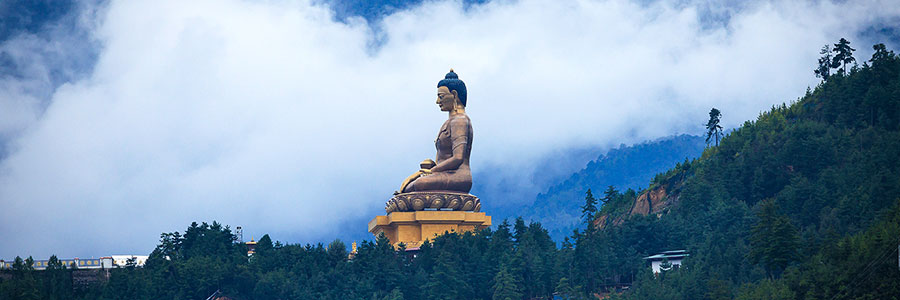
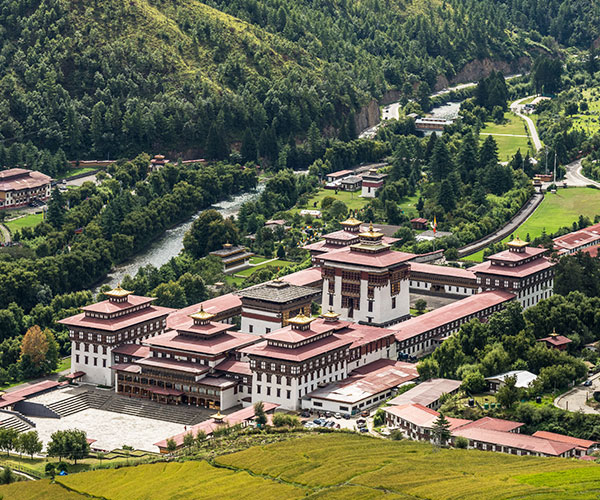
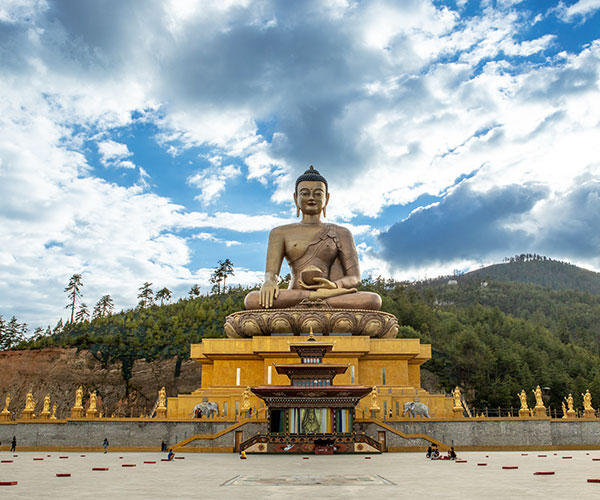
Bhutan's capital, Thimphu, beautifully blends ancient traditions with modern development. Unlike most capitals, it has no traffic lights, instead relying on manually directed intersections by traffic police. The city offers deep insight into Bhutanese governance, culture, and lifestyle. Key attractions include the massive Buddha Dordenma statue overlooking the valley, the National Folk Heritage Museum, and the Motithang Takin Preserve, home to Bhutan's unique.
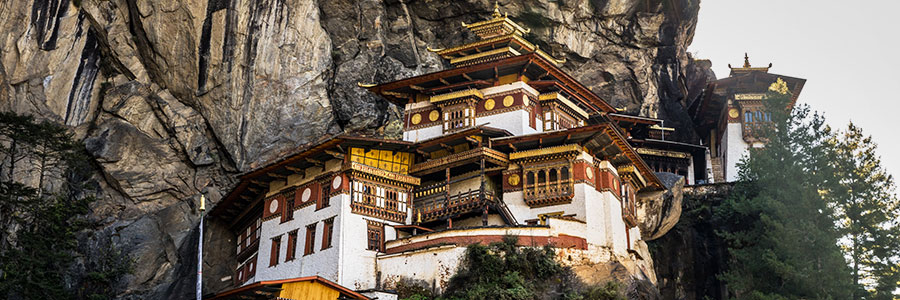
Bhutan's capital, Thimphu, beautifully blends ancient traditions with modern development. Unlike most capitals, it has no traffic lights, instead relying on manually directed intersections by traffic police. The city offers deep insight into Bhutanese governance, culture, and lifestyle. Key attractions include the massive Buddha Dordenma statue overlooking the valley, the National Folk Heritage Museum, and the Motithang Takin Preserve, home to Bhutan's unique
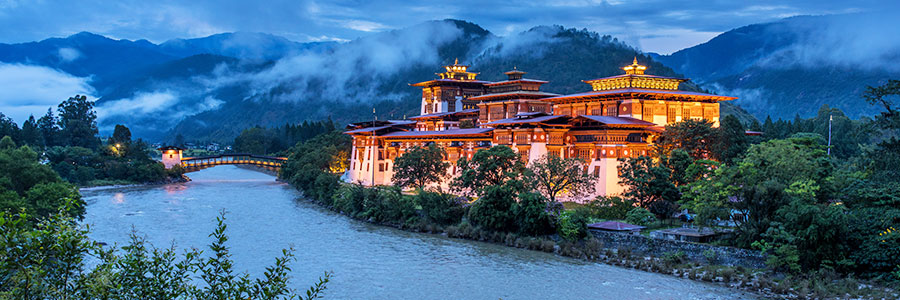
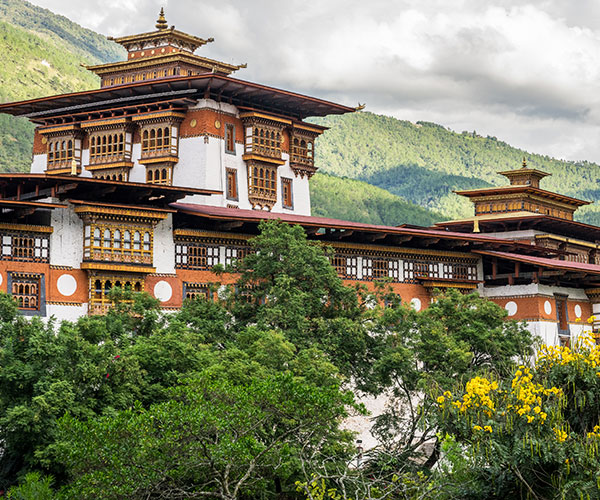
Punakha is known for its gorgeous surroundings and verdant valleys, located at the confluence of the Pho Chhu and Mo Chhu rivers. Along the riverbank lies the magnificent Punakha Dzong, one of Bhutan's most majestic strongholds. Sangchhen Dorji Lhuendrup Nunnery, Chimi Lhakhang, and Khamsum Yulley Namgyal Chorten are also neighbouring places of interest. Punakha is a nature lover's paradise, with its sweeping valley views and hanging suspension bridge.
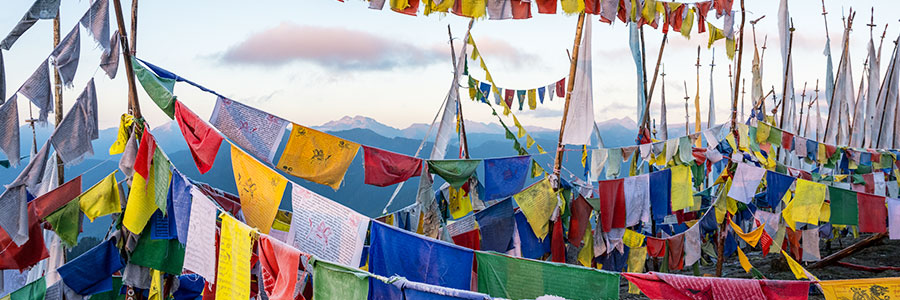
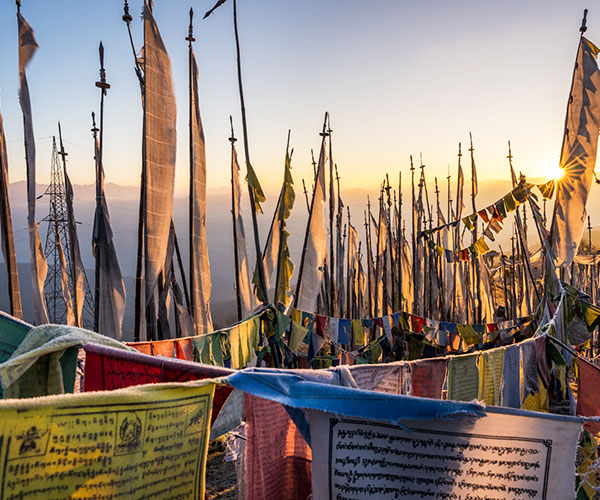
Chele La Pass, one of Bhutan's highest motorable places, connects the Paro and Haa valleys at an elevation of around 4,000 meters. The scenic route winds across mountains adorned with prayer flags and rhododendron plants. Tourists can see Mount Jomolhari and Mount Jichu Drake on clear days. The Kila Nunnery, perched atop a cliff, adds to the spiritual appeal of this site.
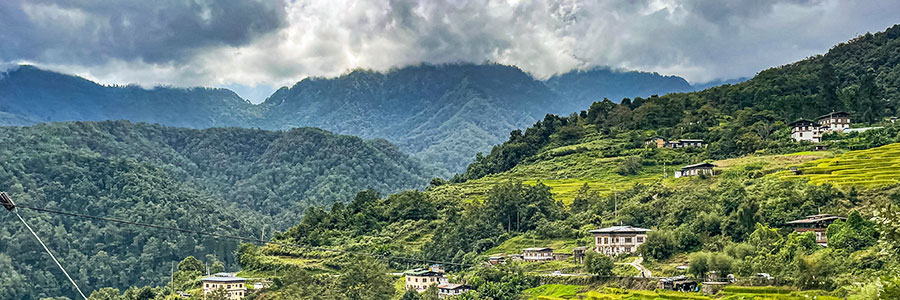
Phuentsholing, a vibrant gateway town that combines Indian and Bhutanese traditions, is located near Jaigaon in India, on the Indo-Bhutan border. For guests arriving by car, it is an important point of entry. The attractions include the Amo Chhu Crocodile Breeding Center, Karbandi Monastery, and Zangto Pelri Lhakhang.
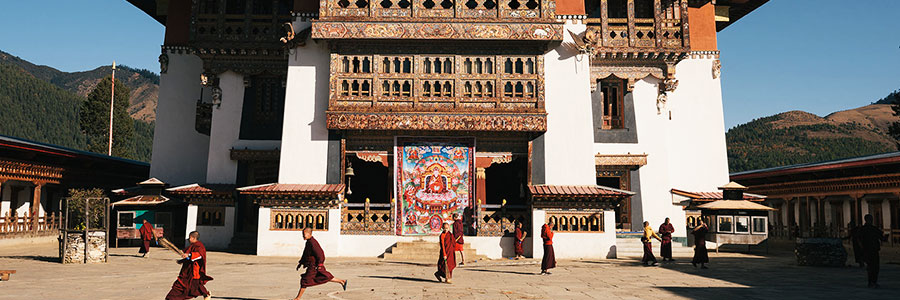
Phobjikha, a quiet glacial valley in the center of Bhutan, is well-known for its wide views and plentiful wildlife. The Gangtey Monastery is located there, and the endangered black-necked cranes, which are honored annually during the Black-Necked Crane Festival, live there during the winter. The valley is popular among nature enthusiasts due to its tranquil location and wonderful hiking trails.
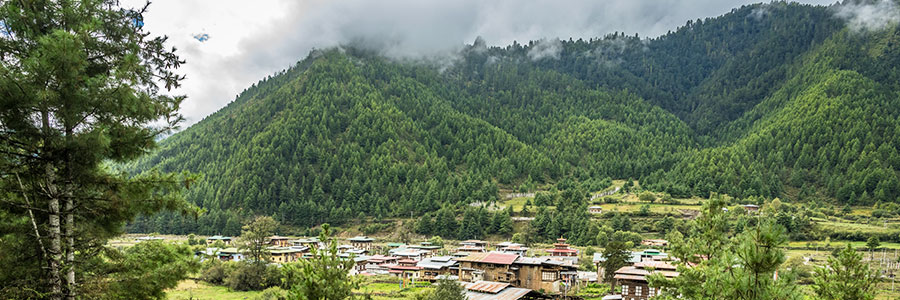
The Haa Valley, one of Bhutan's most undiscovered locations, offers a glimpse into everyday rural life. The valley, surrounded by tranquil villages and alpine forests, is home to the famed twin temples of Lhakhang Karpo and Lhakhang Nagpo, which represent balance and harmony. Its modest attractiveness makes it suitable for tourists seeking tranquillity and tradition.
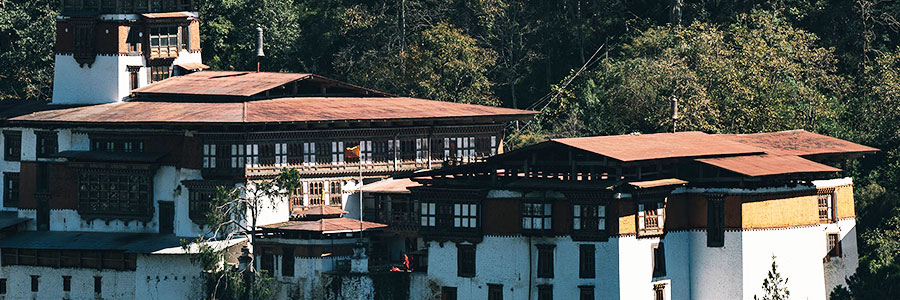
Trongsa, located amidst central mountain ridges, is historically significant as the ancestral home of Bhutan's royal dynasty. Ta Dzong Trongsa showcases Bhutan's imperial heritage, while the stunning Trongsa Dzong dominates the scene. Trongsa is a city rich in culture and history, with notable landmarks such as Kuenga Rabten Palace and Chendebji Chorten.
Let's create your perfect Bhutan trip.